Congratulations on Successfully Completing 3 Months of Flutter Development Industrial Training
At ToXSL Technologies, we are delighted to congratulate our talented trainee on successfully completing 3 months of Flutter Development Industria...
We use cookies, check our Privacy Policies.

C-127, 2nd Floor, Phase 8, Industrial Area Mohali Punjab 160071






Gain valuable skills while earning a handsome stipend. Transform your learning experience into tangible financial rewards!

We have special scholarships for meritorious students on our training programs. Invest in your future without breaking the bank!

Dive deep into our 8-hours extensive training sessions. Master essential skills and knowledge in a single, focused industry experience!

We offer in-house placement options for well-deserving candidates who have the zeal to learn and grow in the development sector.

We have numerous sets of 3 months and 6 months industrial training programs under which the candidates can enroll for the most suitable ones.

Trainees often work under the guidance of experienced professionals who provide mentorship and share their industry insights.

IT companies often work with cutting-edge technologies. Trainees get exposure to these technologies, tools, and frameworks that are currently in demand in the industry.

Trainees are usually assigned to projects where they apply their skills to solve real problems. This project-based learning approach enhances their problem-solving abilities and project management skills.

Trainees receive feedback on their performance and progress throughout the training period. This helps them identify areas for improvement and grow professionally.
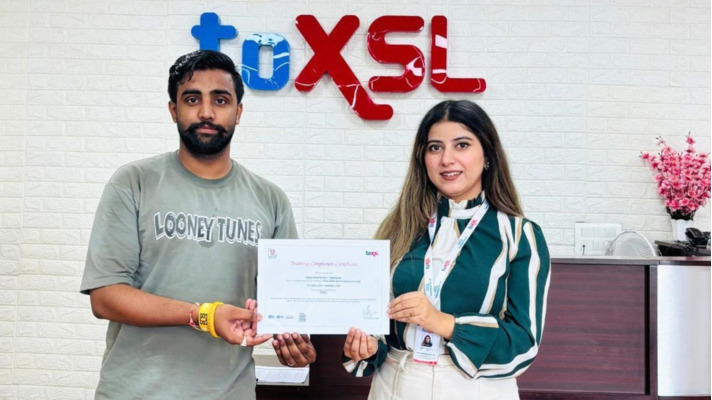
At ToXSL Technologies, we are delighted to congratulate our talented trainee on successfully completing 3 months of Flutter Development Industria...

The mobile app industry is evolving rapidly, creating exciting opportunities for students and aspiring developers who want to build a career in technology. Businesses across industries are investing in mobile applications to improve customer engagement, simplify operations, and deliver digital se...
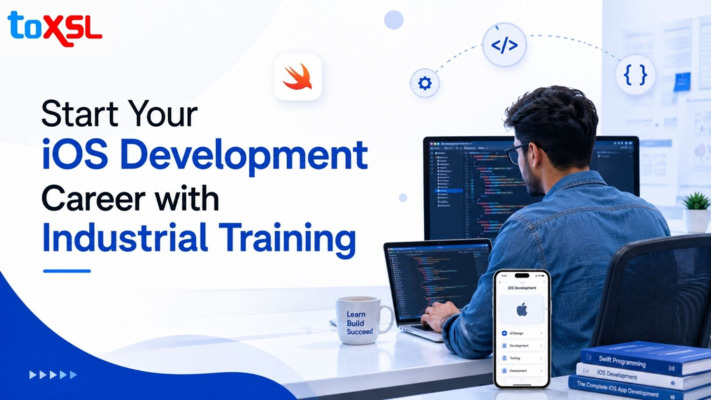
The demand for skilled mobile app developers continues to grow as businesses increasingly depend on mobile applications to engage customers, streamline operations, and deliver digital services. iOS development is a particularly valuable career path for students interested in building applications...